
Research
Chemical engineering encompasses a broad range of cutting-edge research. The diverse education that chemical engineers receive allows them to work at the intersection of a variety of different fields, including biology, chemistry, energy, physics, materials science, and other engineering disciplines.
Chemical engineering research at Northeastern is supported by multiple areas: Biomolecular & Biomedical Systems, Complex & Computational Systems, Energy & Sustainability, Engineering Education & Pedagogy, and Materials & Nanotechnology.
The College of Engineering is also home to a National Science Foundation Center for High-Rate Nanomanufacturing, as well as numerous other research centers and institutes to push the boundaries of research.
With a premier location in downtown Boston, the department is perfectly located to take advantage of a wealth of collaborations with other universities, as well as local hospitals, medical centers, and industry.
Quick Facts 2023
professional society fellowships
tenured/TT and affiliated faculty
young investigator awards
external research awards (2021-23)
Recent News
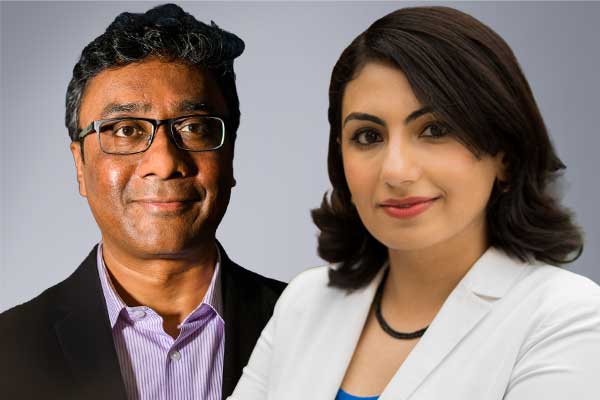
Patent for Color-Sensing Technology
ChE Affiliated Faculty Swastik Kar and ECE Associate Professor Sarah Ostadabbas were awarded a patent for “Device and method for color indentification.”
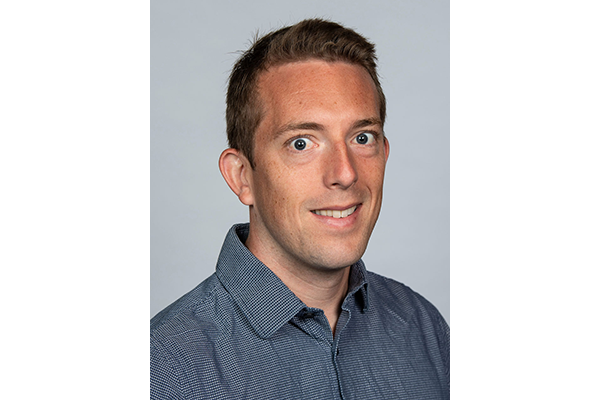
A Microbial Solution for a Sustainable Future
ChE Assistant Professor Ben Woolston is using engineered microbes to convert carbon dioxide into valuable products like fuels and chemicals, offering a sustainable alternative to traditional petrochemical and corn-based production methods.

Researching Mucus To Understand Drug Delivery Effectiveness
At the 2024 Society for Biomaterials Northeast Symposium, ChE Distinguished Professor Rebecca Carrier explained how her research examines mucus through multiple particle tracking to understand what drug delivery systems can permeate the mucosal barrier.
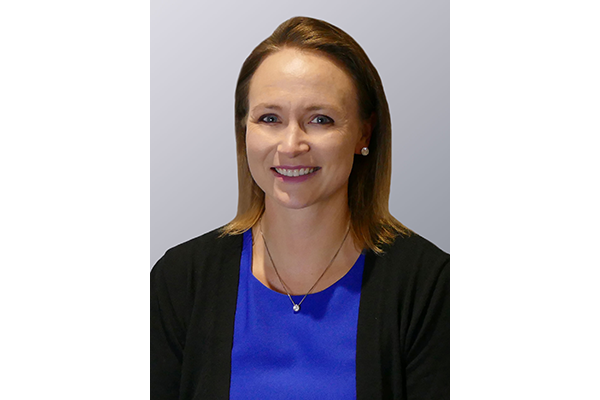
Investigating the Gut-Brain Axis in Patients With Sjögren’s Syndrome
ChE Associate Professor Abigail Koppes received a 2024 Sjögren’s Foundation Pilot Research Grant for “Parsing Dysautonomia in a Dish: Neural Exposure to Exogenous Sjögren’s Patient Derived Serum.” She is developing an organ-on-a-chip to controllably study and disrupt the nervous system in the gut-brain axis environment of Sjögren’s patients typically inaccessible in vivo.